





Introduction
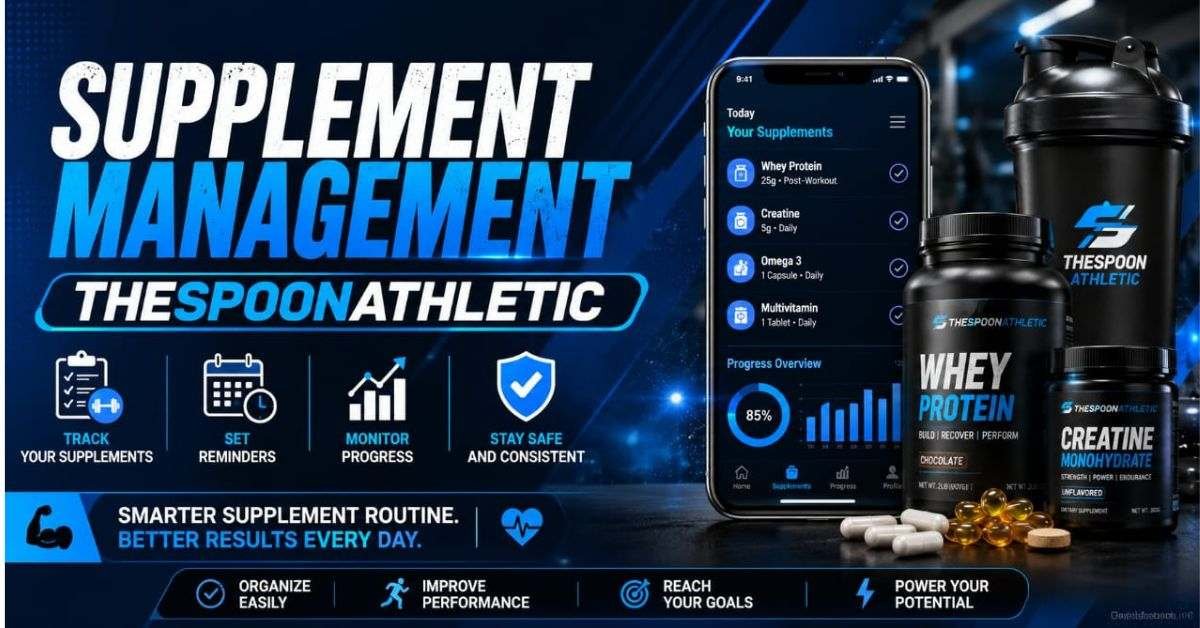
When you’re training hard, eating right, and pushing your body to be stronger, faster, or healthier, you need to fuel it properly. Supplements can be helpful tools, but only if you manage them correctly. That’s where the idea of supplement management thespoonathletic comes in—a smart, organized approach to using vitamins, minerals, protein powders, and other nutritional products to support your athletic goals.
Many athletes, gym-goers, and fitness enthusiasts buy supplements with great intentions but then struggle to keep track of what they’re taking, when to take it, and whether it’s actually helping. Without a clear system, supplements can pile up in your cupboard, expire unused, or even work against each other. This guide will help you understand how to manage your supplements like a pro, avoid common mistakes, and get the most value from every product you invest in.
Whether you’re a beginner just starting to explore sports nutrition or a seasoned athlete looking to refine your routine, learning about proper supplement organization and tracking is essential. In this article, we’ll cover everything from choosing the right supplements to storing them properly, tracking your intake, and adjusting your plan as your fitness journey evolves.
Understanding the Basics of Sports Supplements
Before diving into management strategies, it’s important to know what supplements are and why athletes use them. Supplements are products that provide nutrients you might not get enough of from food alone. They come in many forms—pills, powders, capsules, liquids, and bars.
Common types include protein powders, multivitamins, omega-3 fatty acids, creatine, BCAAs (branched-chain amino acids), electrolyte drinks, and pre-workout formulas. Each serves a different purpose. For example, protein helps build and repair muscles, while electrolytes replace minerals lost through sweat.
Not everyone needs supplements. If you eat a balanced diet with plenty of fruits, vegetables, lean proteins, whole grains, and healthy fats, you might already get everything you need. But for athletes training intensely, supplements can help fill nutritional gaps, speed up recovery, and improve performance.
The key is knowing which ones actually work and which are just marketing hype. Research from trusted sources like the National Institutes of Health (NIH) shows that only certain supplements have strong evidence supporting their benefits for athletes. Understanding this foundation makes managing your supplement routine much easier and more effective.
Why Proper Supplement Organization Matters
When you have several different supplements, keeping them organized isn’t just about tidiness—it directly affects your health and results. Poor organization can lead to missed doses, accidental double-dosing, expired products, and wasted money.
Imagine buying expensive protein powder, forgetting about it, and finding it six months past its expiration date. Or taking the same supplement twice in one day because you forgot you already had it at breakfast. These mistakes are common when you don’t have a system in place.
The concept behind supplement management thespoonathletic emphasizes treating your supplements like an important part of your training program, not just random products you take when you remember. This means knowing exactly what you have, why you’re taking it, when to take it, and how much is left.
Good organization also helps you spot what’s working and what isn’t. If you track your supplements alongside your workouts and how you feel, you can make smarter decisions about what to continue using and what to cut out.
Additionally, proper storage prevents supplements from degrading. Heat, light, and moisture can damage many products, reducing their effectiveness. A well-organized system keeps your supplements in ideal conditions so they work as intended.
Learn about supplement management thespoonathletic and explore practical insights alongside arcarrierpoint net for informed readers.
Creating Your Personal Supplement Inventory
The first step in managing your supplements is knowing what you actually have. Start by gathering all your supplements from different places—kitchen cabinets, gym bags, bathroom drawers, and anywhere else they might be hiding.
Make a complete list including the product name, brand, type (powder, capsule, etc.), serving size, expiration date, and quantity remaining. You can use a simple notebook, a spreadsheet on your computer, or even a smartphone app designed for tracking supplements.
Check each product’s expiration date and safely dispose of anything that’s past its prime. Expired supplements might not be dangerous, but they lose potency and effectiveness over time. It’s not worth taking something that won’t give you the intended benefits.
Group similar supplements together. Put all your protein powders in one area, vitamins in another, and pre-workout products somewhere else. This makes it easier to find what you need quickly and helps prevent accidentally buying duplicates.
Creating this inventory might take an hour or two initially, but it saves time and money in the long run. You’ll know exactly what you have, what you need to reorder, and what you can stop buying. This organized approach is a cornerstone of effective supplement management thespoonathletic.
Choosing Quality Supplements That Actually Work
Not all supplements are created equal. The market is flooded with products making big promises, but only some deliver real results. Learning to choose quality supplements is crucial for both your health and your wallet.
Look for third-party testing certifications like NSF Certified for Sport, Informed-Sport, or USP Verified. These labels mean an independent organization tested the product to verify it contains what the label says and doesn’t have harmful contaminants or banned substances.
Read ingredient lists carefully. The fewer fillers, artificial colors, and unnecessary additives, the better. Focus on products with proven ingredients in effective doses. For example, if a pre-workout contains only 50mg of caffeine but lists it as a major ingredient, it probably won’t do much since effective doses are usually around 200-400mg.
Research the brand’s reputation. Check customer reviews, look for transparency about ingredient sourcing and manufacturing processes, and see if they have partnerships with athletes or sports organizations.
According to research published by educational institutions like Harvard Medical School, many supplements aren’t strictly regulated before they hit the market, so choosing reputable brands is your best protection. When managing supplements effectively, quality matters just as much as quantity.
Setting Up a Daily Supplement Schedule
Once you know what supplements you have and have chosen quality products, the next step is creating a daily schedule. This ensures you take everything at the right time for maximum benefit.
Some supplements work best on an empty stomach, others with food. Certain vitamins and minerals compete for absorption, so they shouldn’t be taken together. For example, calcium can interfere with iron absorption, so these should be spaced several hours apart.
Create a simple chart that lists what supplement to take, how much, and when. Common timing categories include: with breakfast, mid-morning, with lunch, pre-workout, post-workout, with dinner, and before bed.
Protein powder typically works well post-workout or as a meal supplement. Multivitamins are usually best with breakfast or lunch. Creatine can be taken any time of day, but consistency matters more than timing. Pre-workout formulas obviously go before your training session, about 30-45 minutes before for best results.
Use your phone’s reminder app, a pill organizer box, or a dedicated supplement tracking app to stay on schedule. The more automatic you make this process, the less likely you’ll forget doses or take something twice by accident.
Consistency is key in sports nutrition. Taking supplements regularly according to a set schedule produces better results than randomly taking them whenever you remember.
Tracking Your Supplement Intake and Results
Taking supplements is one thing; knowing whether they’re actually helping is another. This is where tracking becomes valuable. By recording what you take and how you feel, you can make data-driven decisions about your supplement routine.
Keep a simple log that includes the date, what supplements you took, your workout details, energy levels, sleep quality, and any other relevant observations. After a few weeks, patterns will emerge that help you understand what’s working.
For example, you might notice that on days you take your omega-3 supplement, your joint pain is less severe. Or you might find that a particular pre-workout gives you jitters and disrupted sleep, suggesting you should try a different product or lower the dose.
Many athletes use fitness apps that allow supplement tracking alongside workout and nutrition logging. This creates a complete picture of your training, eating, and supplementation, making it easier to optimize all three.
Be patient when evaluating supplements. Most don’t work overnight. Give each supplement at least 4-6 weeks before deciding whether to continue it, unless you experience negative side effects earlier.
This tracking approach is central to supplement management thespoonathletic—treating supplementation as a systematic part of your overall athletic program rather than a random collection of products you hope will help.
Storage and Safety Best Practices
Proper storage extends the life of your supplements and ensures they remain safe and effective. Different products have different storage needs, but some general rules apply to most supplements.
Keep supplements in a cool, dry place away from direct sunlight. Heat and moisture are the biggest enemies of supplement stability. This means your bathroom cabinet (which gets steamy from showers) is actually a poor choice, despite being a common storage spot.
A kitchen pantry or dedicated supplement drawer in a climate-controlled room works much better. Make sure the area isn’t near the stove, dishwasher, or any other heat source.
Always close containers tightly after each use. Many supplements come with silica gel packets that absorb moisture—don’t throw these away. Keep them in the container to maintain freshness.
Store supplements out of reach of children and pets. Even vitamins that seem harmless can be dangerous in large doses, especially for small children. Use child-proof containers when possible.
Check your supplements periodically for signs of spoilage. Protein powder that smells sour or rancid, vitamins that have changed color dramatically, or any product with visible mold should be discarded immediately.
Proper storage isn’t glamorous, but it’s essential for getting the full value from your investment and ensuring the products remain safe to consume throughout their shelf life.
Common Supplement Management Mistakes to Avoid
Even experienced athletes make mistakes when managing their supplements. Being aware of common pitfalls helps you avoid them and get better results from your nutrition program.
One major mistake is taking too many supplements at once. More isn’t always better. Your body can only absorb and use so much of any nutrient. Taking excessive amounts can lead to waste, unwanted side effects, or even health problems.
Another error is not cycling certain supplements. Some products, like stimulant-based pre-workouts, work better when you take breaks periodically to prevent your body from building tolerance. If you take them every day for months, they gradually become less effective.
Ignoring potential interactions between supplements, medications, or health conditions is also risky. If you take prescription medications, always check with your doctor or pharmacist before adding new supplements. Some combinations can be dangerous.
Buying supplements impulsively because of advertising or influencer recommendations without researching whether you actually need them leads to wasted money and cluttered cabinets. Base your choices on your individual needs, goals, and any nutritional gaps in your diet.
Finally, failing to reassess your supplement routine as your training changes is a missed opportunity. If you transition from building muscle to training for a marathon, your supplement needs change too. The principles of supplement management thespoonathletic include regularly reviewing and adjusting your plan.
Budget-Friendly Approaches to Supplement Use
Sports supplements can get expensive quickly, especially if you’re taking multiple products. Managing your supplement budget wisely ensures you can maintain your routine long-term without financial stress.
Focus on the essentials first. For most athletes, a quality protein powder, a basic multivitamin, and perhaps creatine cover the most important nutritional bases. These have strong research supporting their effectiveness and are relatively affordable.
Buy in bulk when possible, but only for products you know you’ll use regularly. Large containers of protein powder or big bottles of common vitamins usually offer better value per serving than small packages.
Compare prices across different retailers, including online stores. Prices for the same product can vary significantly. Just make sure you’re buying from reputable sellers to avoid counterfeit products.
Don’t fall for the “premium” trap unless there’s a real difference. Sometimes paying more gets you better quality ingredients or third-party testing, which is worth it. Other times, you’re just paying for fancy packaging or celebrity endorsements.
Consider whether you really need a supplement or could get the same nutrients from food. Whole foods are often more affordable and come with additional benefits like fiber and phytonutrients. For instance, eating salmon provides omega-3s plus high-quality protein.
Making supplement management thespoonathletic part of your financial planning helps you invest wisely in products that truly support your goals without breaking the bank.
When to Adjust Your Supplement Plan
Your supplement needs aren’t static—they change as your training, goals, diet, and life circumstances evolve. Knowing when and how to adjust your plan is important for continued progress.
If you change your training focus (from strength building to endurance, for example), your nutritional needs shift. Endurance athletes might benefit more from electrolyte supplements and carbohydrate products, while strength athletes might prioritize protein and creatine.
Changes in your diet also matter. If you start eating more fish, you might not need omega-3 supplements anymore. If you become vegetarian or vegan, you might need to add B12 and possibly iron or zinc.
Pay attention to blood test results. If your doctor finds you’re deficient in vitamin D or iron, adding a targeted supplement makes sense. Conversely, if your levels are fine, you might not need to supplement those nutrients.
As you age, your body’s ability to absorb certain nutrients changes. Older athletes might benefit from additional calcium, vitamin D, or collagen that younger athletes don’t need.
Finally, if you’re not seeing results after giving a supplement a fair trial (6-8 weeks), it might not be effective for you, and your money would be better spent elsewhere.
Regular reviews—perhaps every 3-6 months—help ensure your supplement plan remains aligned with your current needs and goals, which is a key aspect of effective supplement management.
Visual Guide to Supplement Timing and Storage
Understanding when to take different supplements and how to store them properly makes a real difference in their effectiveness. The tables below provide clear, at-a-glance information.
Table 1: Optimal Timing for Common Supplements
| Supplement Type | Best Timing | Why |
| Protein Powder | Post-workout or with meals | Supports muscle recovery and growth; helps meet daily protein goals |
| Multivitamin | With breakfast or lunch | Better absorption with food; avoids stomach upset |
| Omega-3/Fish Oil | With a meal containing fat | Improves absorption; reduces fishy aftertaste |
| Creatine | Any time (consistent daily) | Timing less important than consistency; builds up in muscles over time |
| Pre-Workout | 30-45 minutes before exercise | Allows time for caffeine and other ingredients to take effect |
| BCAAs | Before or during workout | May reduce muscle breakdown during training |
| Calcium | Evening, away from iron | Better absorbed in smaller doses; doesn’t compete with iron |
| Iron | Morning on empty stomach | Best absorption without food; separate from calcium |
| Vitamin D | With a meal containing fat | Fat-soluble vitamin requires dietary fat for absorption |
| Magnesium | Before bed | May promote relaxation and better sleep quality |
Table 2: Supplement Storage Guidelines
| Storage Factor | Recommendation | Products Most Affected |
| Temperature | Cool, 60-75°F (15-24°C) | All supplements, especially probiotics and enzymes |
| Light Exposure | Dark place or opaque containers | Vitamins A, D, E, K; omega-3s; probiotics |
| Humidity | Dry location; avoid bathrooms | Powders, tablets, capsules; all forms prone to clumping or degradation |
| Container Type | Original container with tight seal | Protein powders, vitamins, minerals |
| Shelf Life Monitoring | Check expiration dates monthly | All supplements, especially oils and probiotics |
| Accessibility | Out of reach of children/pets | All supplements, particularly iron and gummy vitamins |
These visual guides help you implement the principles of supplement management thespoonathletic by providing clear reference information you can use daily.
Frequently Asked Questions (FAQs)
How many supplements is too many to take at once?
There’s no magic number, but focus on quality over quantity. Most athletes do well with 3-5 targeted supplements that address specific needs rather than taking 10+ different products.
Can I take all my supplements together in the morning?
Some can be combined, but others work better at different times or can interfere with each other’s absorption. Use the timing table above to optimize your schedule.
How long does it take for supplements to show results?
Most require 4-8 weeks of consistent use before you notice significant changes. Protein and pre-workouts may have more immediate effects, while vitamins and minerals work gradually.
Are expensive supplements always better than cheaper ones?
Not necessarily. Price sometimes reflects quality testing and pure ingredients, but sometimes you’re just paying for marketing. Look for third-party certifications rather than just price.
Should I take supplements on rest days too?
Yes, for most supplements. Consistency matters more than timing around workouts for products like multivitamins, omega-3s, and creatine. Only pre-workouts are specifically for training days.
Conclusion
Managing your supplements effectively isn’t complicated, but it does require a thoughtful, organized approach. The concept of supplement management thespoonathletic is about treating your nutritional supplements as valuable tools in your athletic journey—tools that deserve respect, organization, and regular evaluation.
Start by taking inventory of what you currently have, researching which supplements truly benefit your specific goals, and creating a simple system to track what you take and when. Store your products properly, watch for results, and adjust your plan as your training and life circumstances change.
Remember that supplements are meant to supplement a solid foundation of nutritious food, consistent training, adequate sleep, and proper hydration. They can’t replace these fundamentals, but when used wisely, they can enhance your performance and recovery.
The most successful athletes treat their supplement routine as systematically as they treat their training program. They know what they’re taking, why they’re taking it, and whether it’s working. This informed, organized approach prevents waste, maximizes results, and ensures you’re investing in products that truly serve your goals.
Take action today by implementing at least one strategy from this guide—whether that’s creating your first supplement inventory, setting up a daily schedule, or researching third-party certifications for your current products. Small steps toward better organization lead to significant improvements over time.
Your fitness journey is unique, and your supplement strategy should be too. Manage it wisely, and you’ll see the benefits in your performance, recovery, and overall athletic progress.